Picture this: you walk into a coffee shop on a Tuesday afternoon, laptop under your arm, and every single table is taken. Not by people frantically typing out spreadsheets—well, some of them are—but by folks actually talking to each other. Two retirees debating the morning news. A trio of freelancers trading client horror stories. A teenager teaching an elderly man how to use his new phone.
Here's the surprising part: this isn't nostalgia talking. The demand for "third places"—those spots that aren't home or work—is quietly exploding, and it's reshaping how we think about money, community, and the cost of isolation. A Harvard Business School study found that loneliness costs employers roughly $406 million annually in lost productivity per large company. Meanwhile, community spaces are making a comeback that nobody saw coming.
Your Wallet Is Paying for Loneliness—Literally
Let's be honest: we've spent two decades building a world that makes it easy to never leave the house. Streaming everything, food delivery, remote work. Sounds great until you realize that social isolation carries a real financial price tag.
I've found that people rarely connect the dots here. Loneliness isn't just sad—it's expensive. Healthcare costs run higher for chronically isolated people. Burnout rates climb. And here's what most people miss: the rise of coworking cafés and library revitalization is actually a financial story hiding in plain sight.
Consider what a "third place" really costs you. A $6 coffee buys you three hours of ambient company, free Wi-Fi, and a change of scenery. A library card costs exactly nothing and gets you climate control, community programming, and—increasingly—loanable tools, 3D printers, and meeting rooms. Compare that to the average cost of a coworking membership in a major city: $200 to $500 a month.
The math writes itself.
The Hidden Economy of the Corner Café
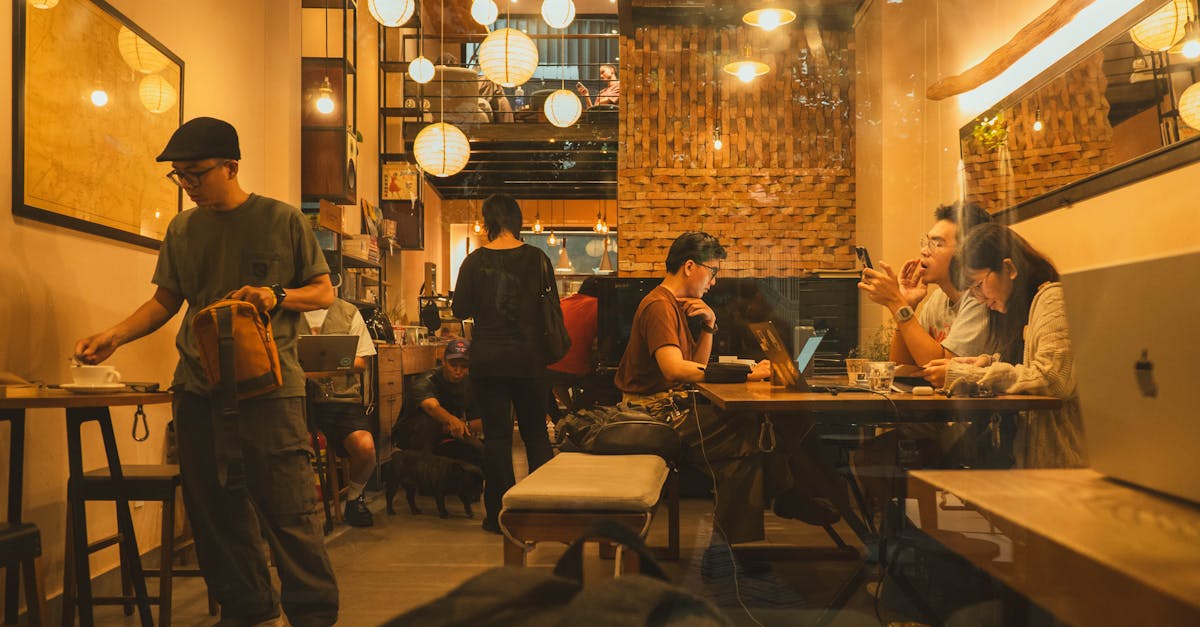
Small cafés are becoming the new town squares, and the smartest ones are leaning into it. The coffee shop near my place has a "regulars" board, hosts a Sunday chess meetup, and doesn't glare at you when you stay for four hours on one cappuccino.
That's not generosity—it's strategy. Third places create loyalty that no discount code can buy. People return to places where they feel recognized. A barista who remembers your order is worth more than a punch card.
From a personal finance angle, here's what makes it fascinating: these spaces are absorbing functions that used to cost us real money.
- Remote work hubs replacing monthly coworking fees
- Free workshops and classes replacing paid courses
- Community events replacing expensive entertainment
- Social connection replacing the "retail therapy" that fills the loneliness gap
I'm not saying a café latte is a financial strategy. But the behavior shift—choosing shared, low-cost spaces over isolated, high-cost ones—adds up over a year. Multiply it across a community and you've got a quiet economic engine humming along in the background.
Libraries: The Most Underrated Deal in Finance
Nothing in modern life delivers this much value for this little money. The public library might be the greatest financial bargain available to the average person, and most of us treat it like a building we outgrew at eighteen.
Think about what you get for free:
- Internet access and computers—critical for job hunting and applications
- Meeting rooms that businesses pay hundreds for
- Classes, from tax prep to coding
- Books, media, and increasingly tools and equipment
- A warm, safe space with no expectation that you buy anything
I've found that libraries are quietly becoming financial literacy hubs, hosting free tax clinics, budgeting workshops, and small business resources. For anyone trying to dig out of debt or start something new, that's enormous. You don't need a subscription. You don't need to spend a cent.
And here's the kicker—libraries are seeing record visits in many cities, especially among younger adults. The generation raised on screens is showing up for the most analog institution we've got. Make that make sense. Actually, it does: when everything online feels transactional, a place that asks nothing of you feels revolutionary.

Why This Matters for Your Bottom Line
Let's connect the dots. The third place revival isn't just a feel-good story—it's a shift in how money flows through communities.
When people gather, they spend. Local cafés, bookshops, and markets near libraries and community hubs see more foot traffic. That keeps money circulating locally instead of leaking to giant platforms. It's the difference between buying from a neighbor and buying from an algorithm.
There's also a career angle. Some of the best opportunities I've stumbled into came from random conversations—the kind you can't have in a home office. Third places are networking venues for people who can't afford networking events. The freelance gig, the job lead, the collaboration: it usually starts with small talk, not a LinkedIn message.
And on the personal side? The mental health savings are real. Cheaper than therapy, warmer than a screen. That's a return on investment you won't find on any spreadsheet.
The Recession-Proof Social Safety Net
Here's the part that genuinely surprises me. Economic downturns don't kill third places—they strengthen them. When budgets tighten, people trade expensive nights out for a coffee and a conversation. Libraries fill up with job seekers and entrepreneurs. The corner spot becomes the office.
It makes sense when you think about it. When money gets tight, connection gets valuable. A community that knows each other shares resources, trades skills, and catches people before they fall. That's not sentimentality—that's resilience, and it's worth more than any savings account.
So the next time you're tempted to order everything to your door and call it a night, ask yourself: what's the actual cost of staying in? Not the delivery fee. The connection fee.

Find your third place. Support it with your presence and your dollars. Because the cheapest investment with the highest return might just be the table down the street—and a community that actually knows your name.
